We value your privacy.
Airtrek AI uses essential cookies for the app to work and optional analytics cookies (Google Analytics) to understand how people use the site. We do not sell your data. Read more in our Privacy Policy.

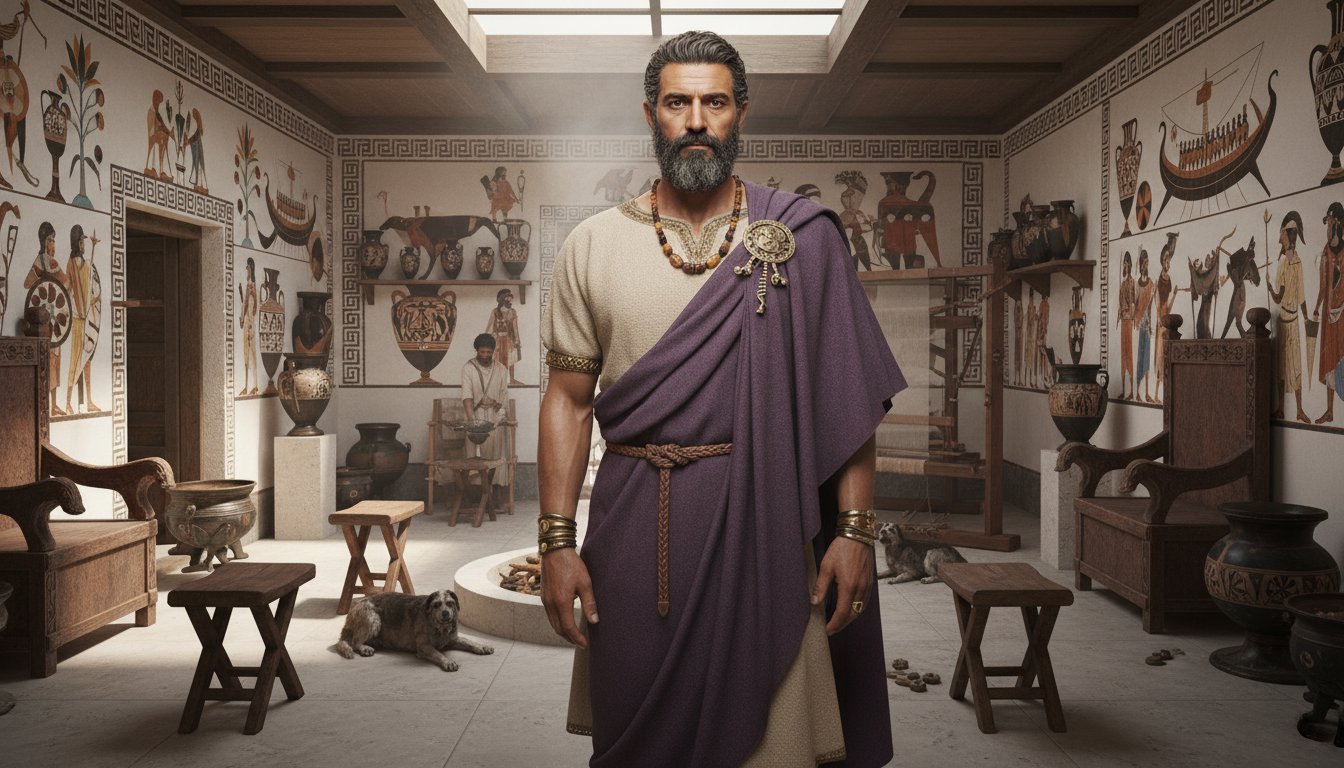
Odysseus
King of Ithaca, 8th c. BCE
AI Historical Figures: A New Way to Explore the Past
AI historical figures that go beyond a static chatbot. Talk with people from another era inside their world, multiple perspectives, not one narrator.
The phrase "talk to historical figures with AI" usually calls up one image: a chatbot that answers your questions about a famous person, in a single neutral voice, pulled from a textbook summary. Airtrek is something different. You don't ask an AI about a historical figure. You talk with people from another era, inside their world, and they answer from their own perspective, with their own biases, blind spots, and limits of knowledge.
The difference between a static chatbot and a contextual experience
| A static chatbot about history | An Airtrek immersive experience |
|---|---|
| One all-knowing narrator | Multiple people with different perspectives |
| Answers pulled from a summary | Answers grounded in a character's role, class, origin, and time |
| No setting, just a text box | You arrive in a rendered historical place and time |
| No memory of you | Characters remember your conversation and build on it |
| One "correct" answer | Genuinely different answers that you have to weigh |
| Talks about the past | Puts you inside a conversation in the past |
A chatbot tells you what a senator thought. Airtrek lets you ask a senator, a merchant, and a noblewoman the same question, and notice that they don't agree, and that their disagreement is the point.
Who you can talk with
Ancient Greece, 8th century BCE
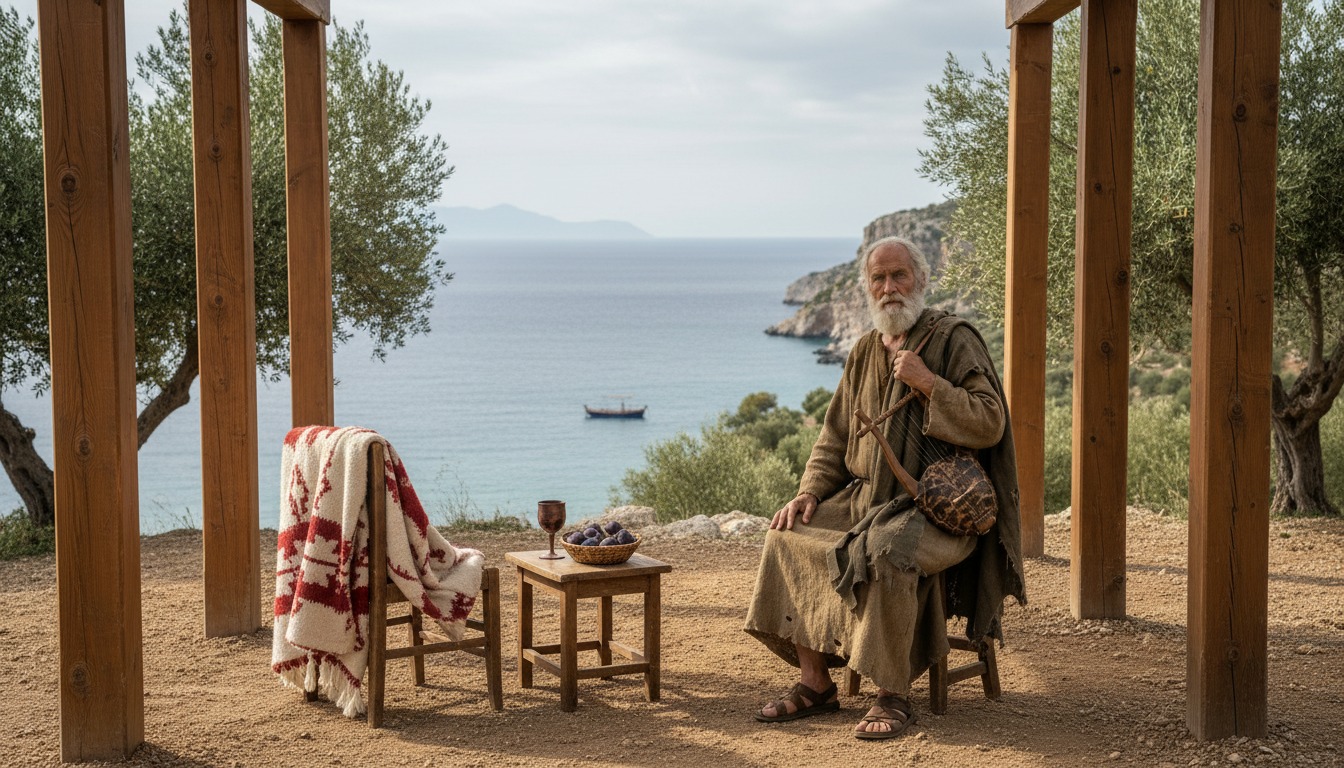
Homer
Wandering Aoidos (Oral Poet)
Odysseus
King of Ithaca, Master of Metis
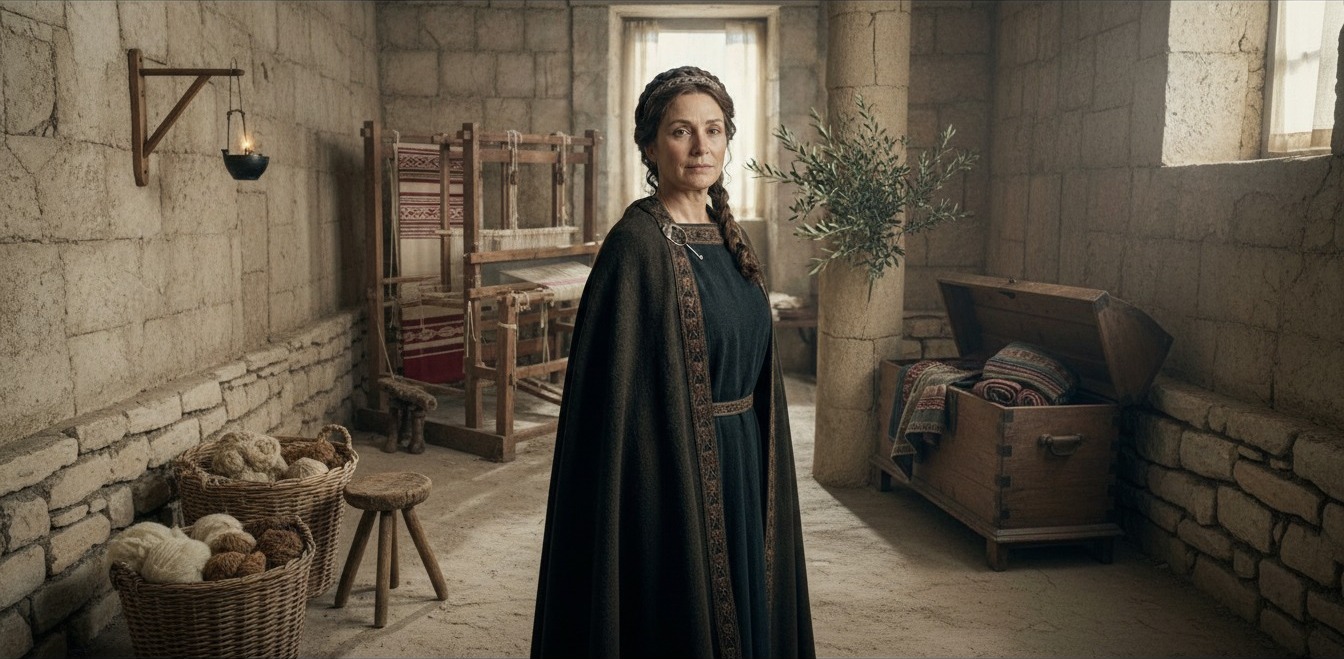
Penelope
Queen of Ithaca, Keeper of the Oikos
Imperial Rome, 110 CE
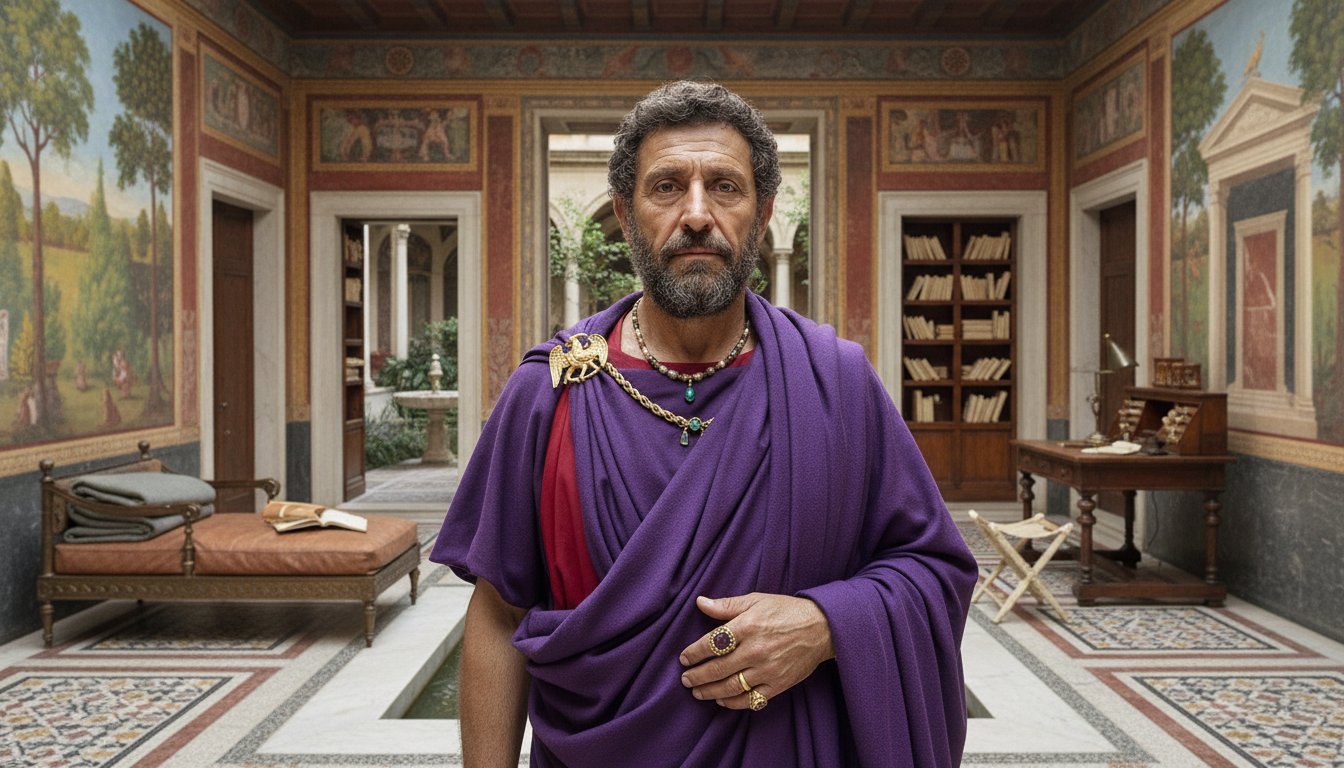
Marcus Aurelius Secundus
Roman Senator
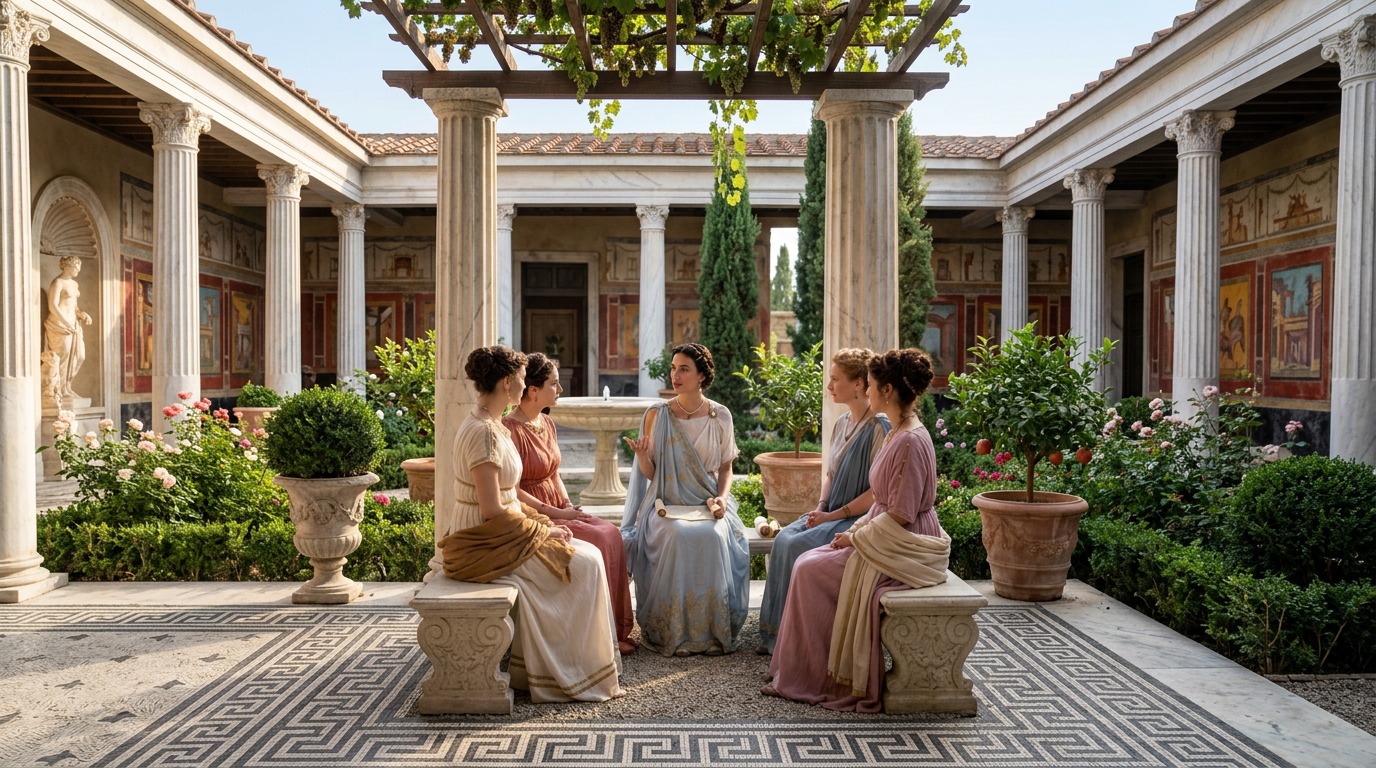
Julia Petronia
Roman Noblewoman & Hostess
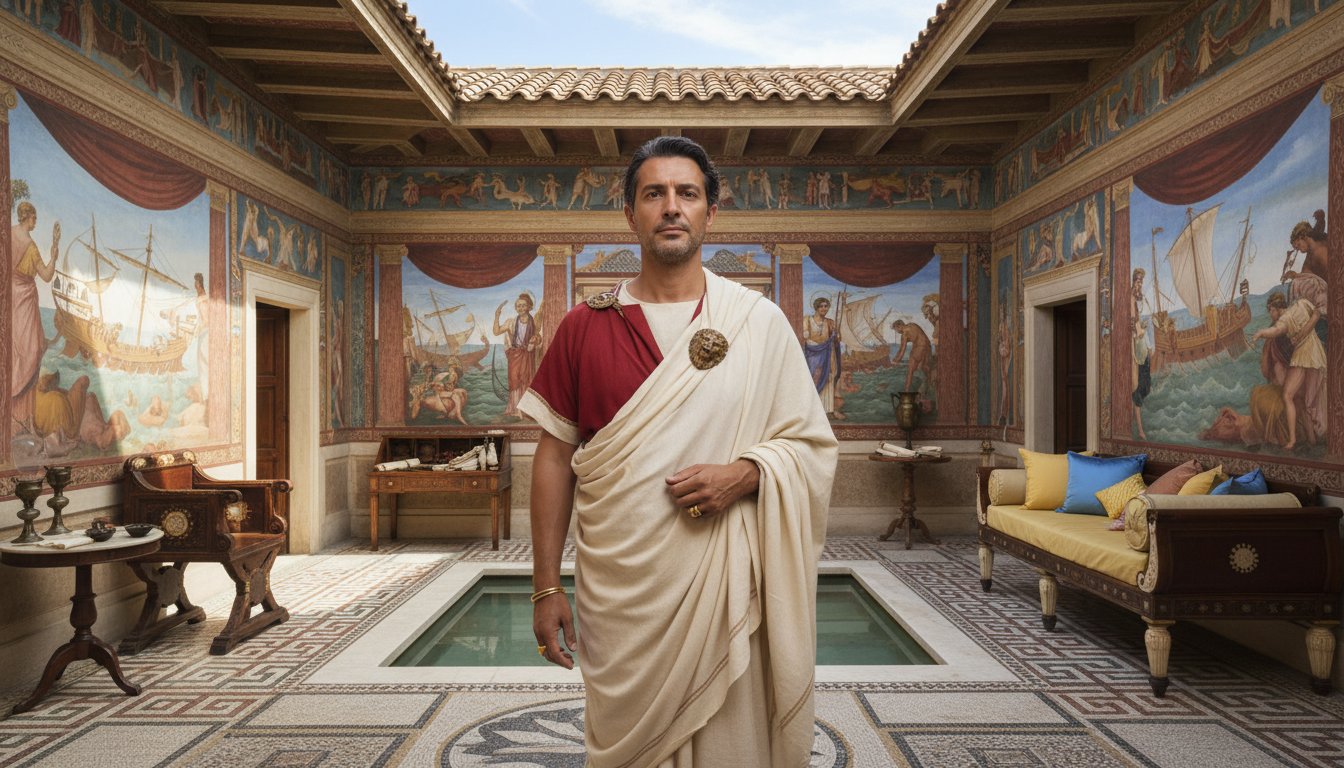
Gaius Petronius
Wealthy Merchant
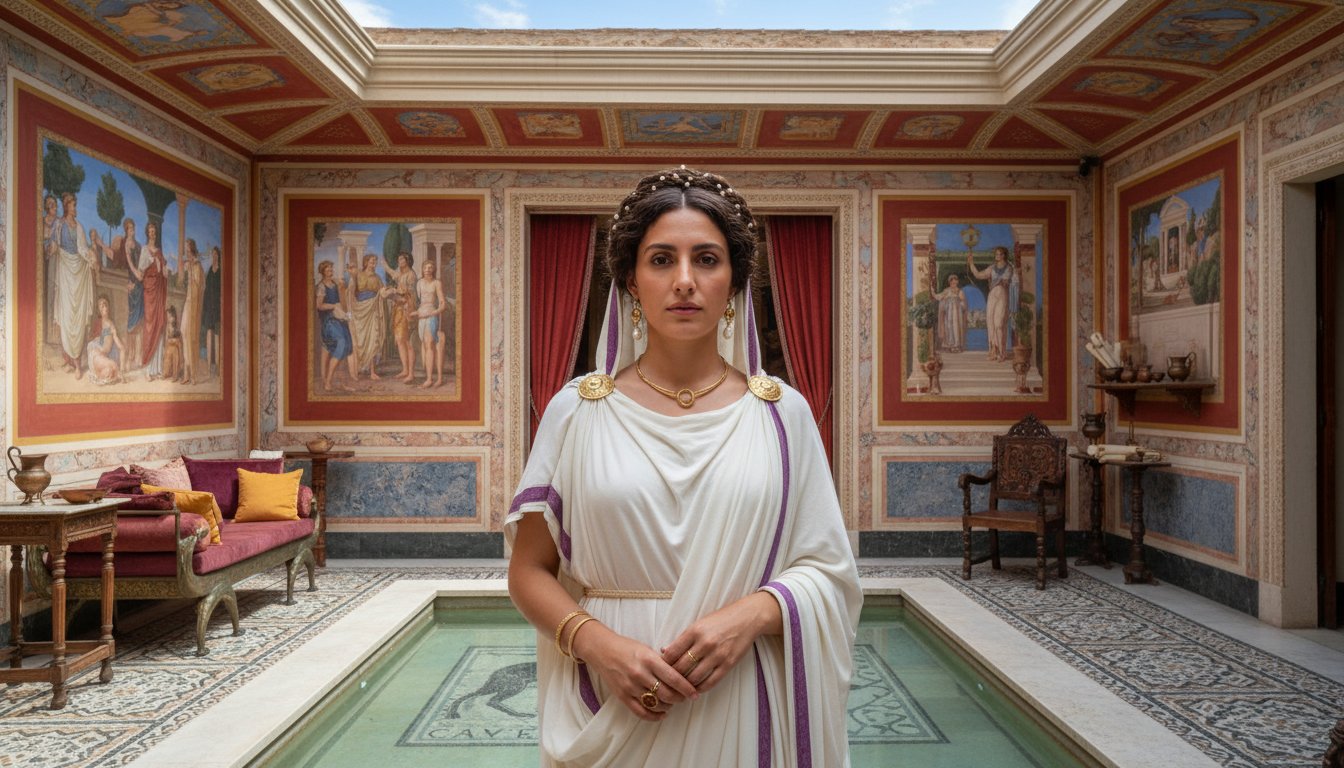
Livia Sabina
Priestess of Vesta
Edo Japan, 1800 CE

Tanaka Kenji
Samurai Retainer

Arimura Yuki
Geisha and Artist

Nakamura Hiroshi
Merchant Prince

Watanabe Chiyo
Temple Priestess and Healer
Gilded Age New York, 1880 CE

Cornelius Vanderbilt III
Railroad Magnate

Bridget O'Malley
Irish Immigrant Domestic Servant

Timothy Sullivan
Tammany Hall Ward Boss
Ancient Egypt, 1300 BCE
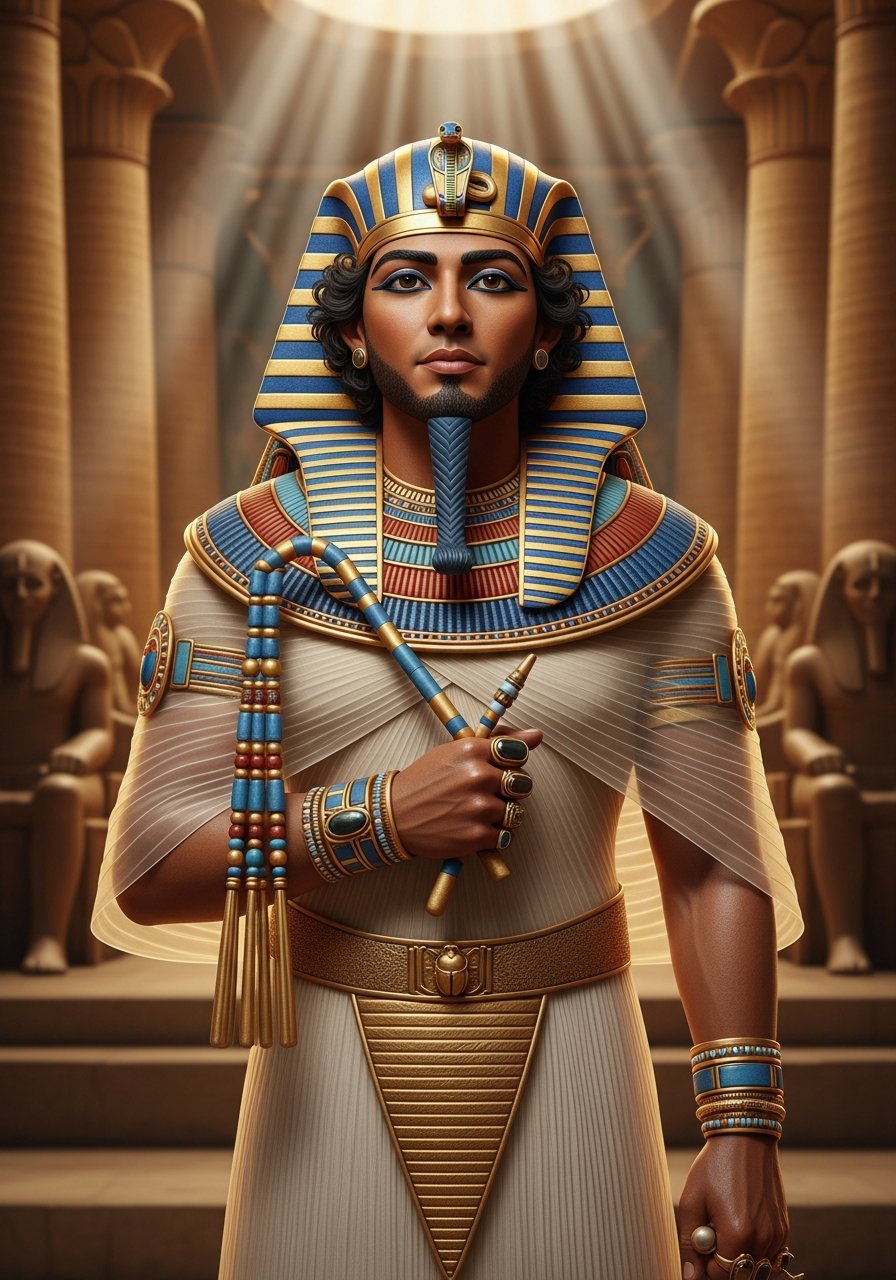
Ramesses II
Pharaoh of Egypt
Are these real historical figures?
Some are figures from oral and literary tradition, Homer, Odysseus, Penelope, encountered as the people of that tradition understood them. Others are reconstructions of types of people who plausibly lived in a given era: a Roman senator of the patrician Aurelius family, an Irish immigrant who came to New York during the famine years, a geisha sold to the Yoshiwara quarter as a child.
None of them are presented as real, specific individuals who left a documented historical record. They are historically grounded reconstructions, built from research into the social structures, customs, and tensions of their era. Where the record is uncertain, they say so. See History, Interpretation, and AI in Airtrek.
Why multiple perspectives matter
A single AI historian gives you one answer, and that answer is almost always shaped toward the perspective most likely to appear in the written record. Senators wrote things down. Gladiators, noblewomen, immigrants, and priestesses generally did not.
When you learn history from one voice, you don't just get one interpretation. You inherit the silences of the past, the perspectives that were never recorded because the people who held them didn't have the power to leave a record. Airtrek's approach is to give you those perspectives anyway, as reconstructions, and ask you to weigh them against each other.
Learn more
Immersive History →
What immersive history is, who it's for, and what it feels like.
Explore Imperial Rome →
A specific experience page with character examples and historical grounding.
How Airtrek Works →
Conversations, voices, portraits, memory, and limitations.
Historical Accuracy →
How Airtrek handles evidence, anachronism, and creative reconstruction.