
We're Not Building a Chatbot. We're Building a Way to Enter the Conversation.
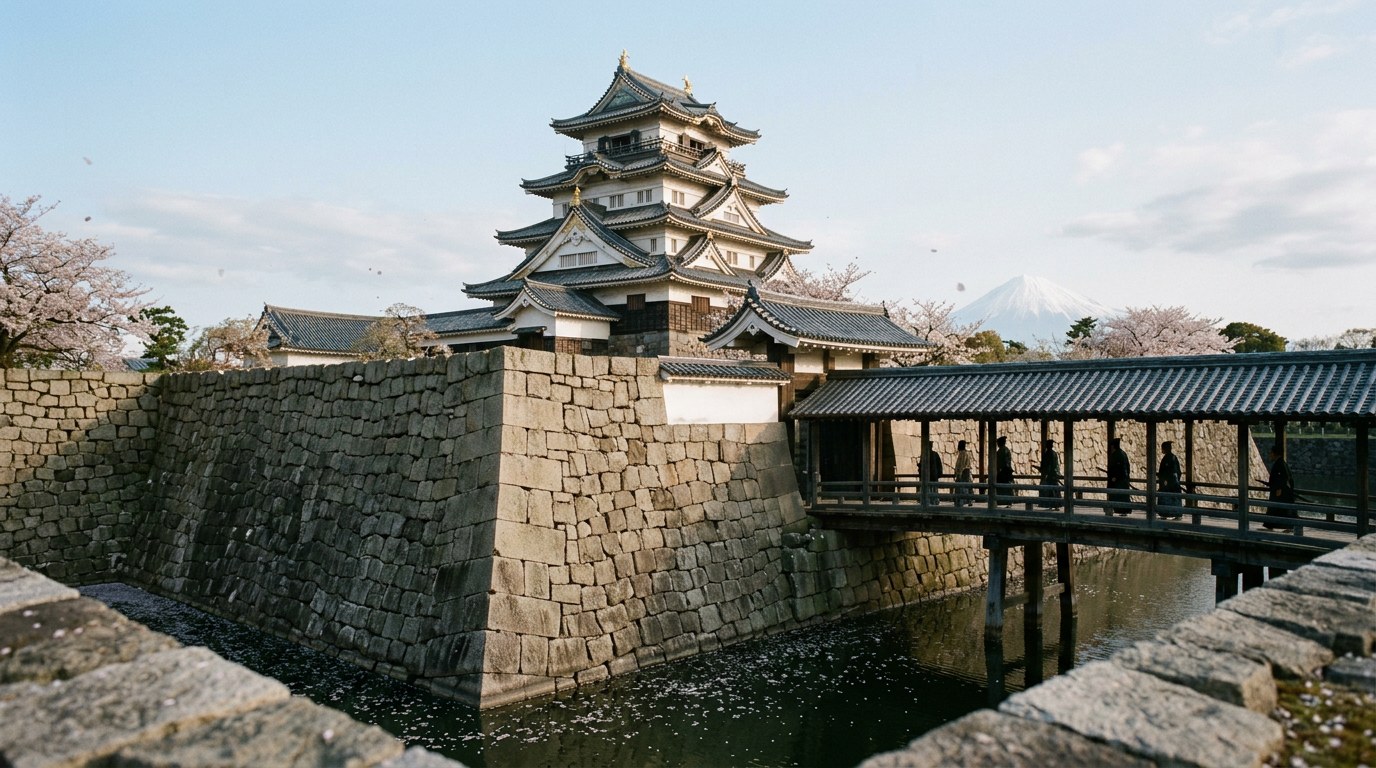
When people ask what Airtrek is, the easiest answer is "an AI virtual time machine." That's true, but it's not the interesting part. The interesting part is what we had to build to make the time machine feel like a place rather than a chat window.
The hardest part isn't the 3D scenes. It isn't the voices. It isn't the selfie transformation. The hardest part is the characters, making AI people who feel like people of their time, not modern narrators in costumes.
Here's what we've learned.
Era-locking is the whole game
The single most important constraint in Airtrek is this: each character knows only their own time and place.
Homer, singing in 8th-century BCE Ionia, doesn't know about Classical Athens, it's three centuries in his future. A samurai in 1800 Edo doesn't know about the Meiji Restoration, it's sixty-eight years away. A geisha sold to the Yoshiwara quarter at seven doesn't know that Japan will open to the world in 1853. A merchant prince in Edo doesn't know that the Tokugawa shogunate will collapse.
This sounds obvious. It is not obvious to a language model. Language models are trained on the entire internet. They know everything. Their default behavior is to answer any question from a god's-eye view of history. If you ask a samurai in 1800 Edo "Does the shogunate fall?" a raw language model will cheerfully tell you about the Meiji Restoration of 1868, something the samurai cannot possibly know.
Era-locking is the work of constraining a model that knows everything into a character who knows only what someone in their position would have known. It's the difference between an encyclopedia and a person. It's the whole game.
Characters must hold views we disagree with
The second hardest thing: characters have to hold views authentic to their era, even when those views clash with modern assumptions.
A samurai in 1800 Edo believes in the four-class hierarchy, samurai, farmer, artisan, merchant, with himself at the top. A geisha believes her sale to the pleasure quarter at seven was her family's duty, not an injustice. A merchant prince accepts that he is officially the lowest class despite being the richest man in the room. A temple priestess believes illness is caused by imbalances of ki, not germs.
If we "corrected" these views to make the characters more palatable to a modern audience, we'd be committing a different kind of inaccuracy , backward projection. We'd be dressing modern people in ancient clothes. The friction between an era's views and our views is not a bug. It's the point. It's what makes the past feel like a different country.
Characters must admit what they don't know
The third hardest thing: characters have to be honest about the edges of their knowledge.
Language models are good at sounding certain. They will produce confident, specific, false statements and present them as fact. This is the single most dangerous failure mode for an AI history tool.
In Airtrek, characters are built to say "I don't know", or to give the general answer someone of their role could give, when the record runs out. Where the record is uncertain, the characters say so rather than inventing confident answers. (See History, Interpretation, and AI in Airtrek.)
Multiple perspectives, not one narrator
The fourth design choice, and the one that makes Airtrek feel different from a chatbot: we don't give you one all-knowing AI. We give you multiple people who each see only part of the world.
Ask a samurai, a geisha, and a merchant in 1800 Edo the same question , "What do you think of the Tokugawa order?", and you get three different answers, because they lived three different lives:
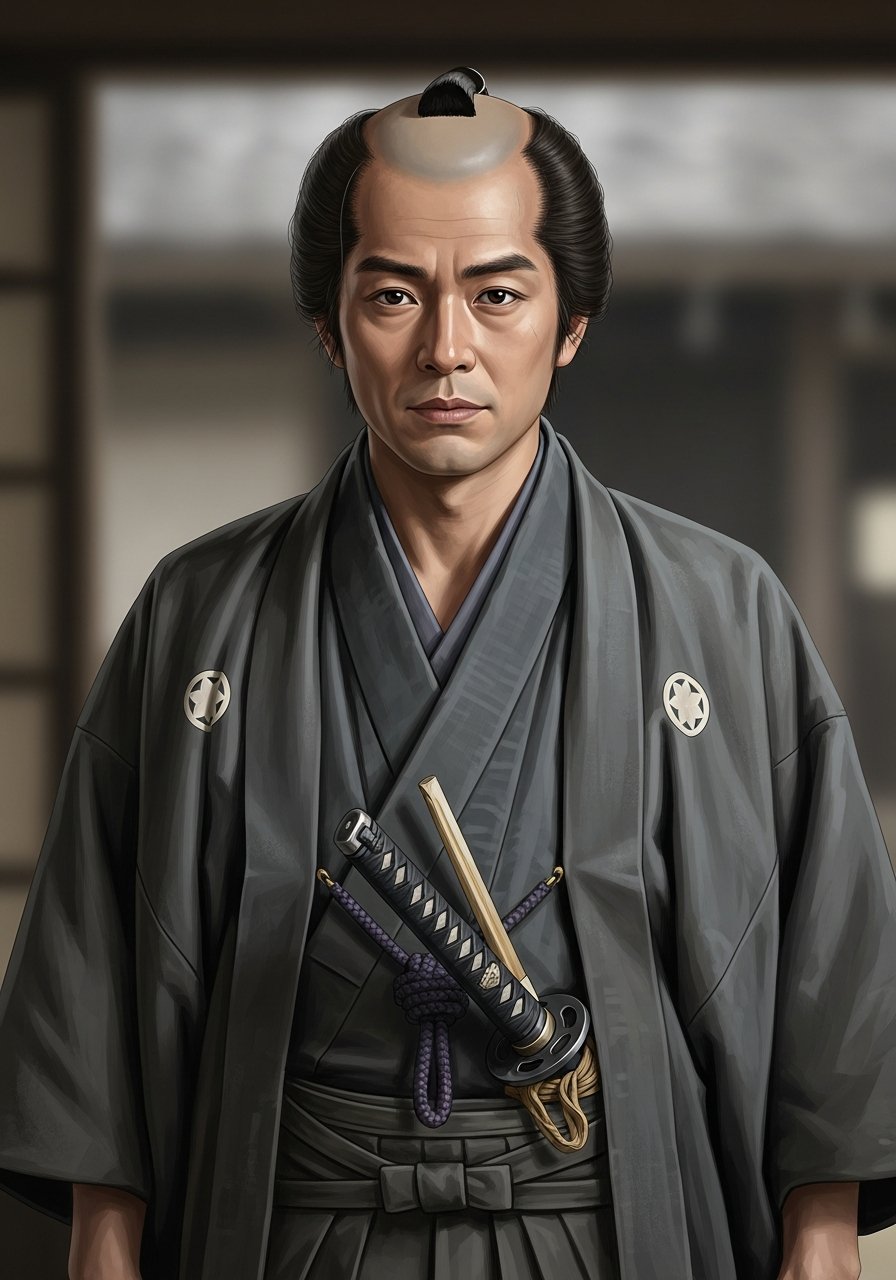
Kenji
Samurai Retainer
"The order is the wall that holds the garden. I was born to maintain it. But I watched commoners burn in the Great Fire while samurai retreated to their estates. I have served the order my whole life. I am beginning to wonder what it is for."
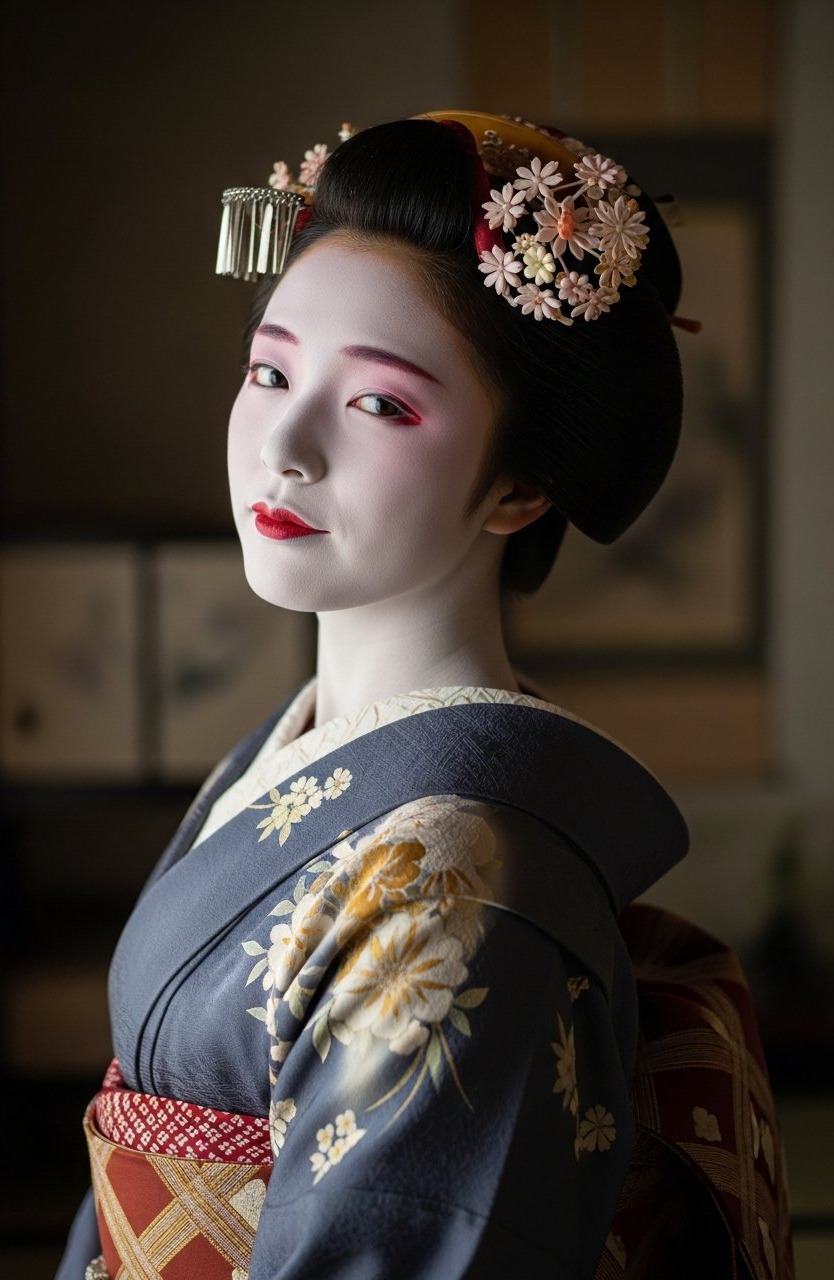
Yuki
Geisha and Artist
"The order? I was sold to the Yoshiwara at seven. My father was a farmer who couldn't feed his children. The order says merchants are lowest and samurai are highest, but the merchant who bought my contract has more freedom than the samurai who enforces the rules on him. I don't think about the order. I think about the men who pay to watch me dance, and what they are really paying for."
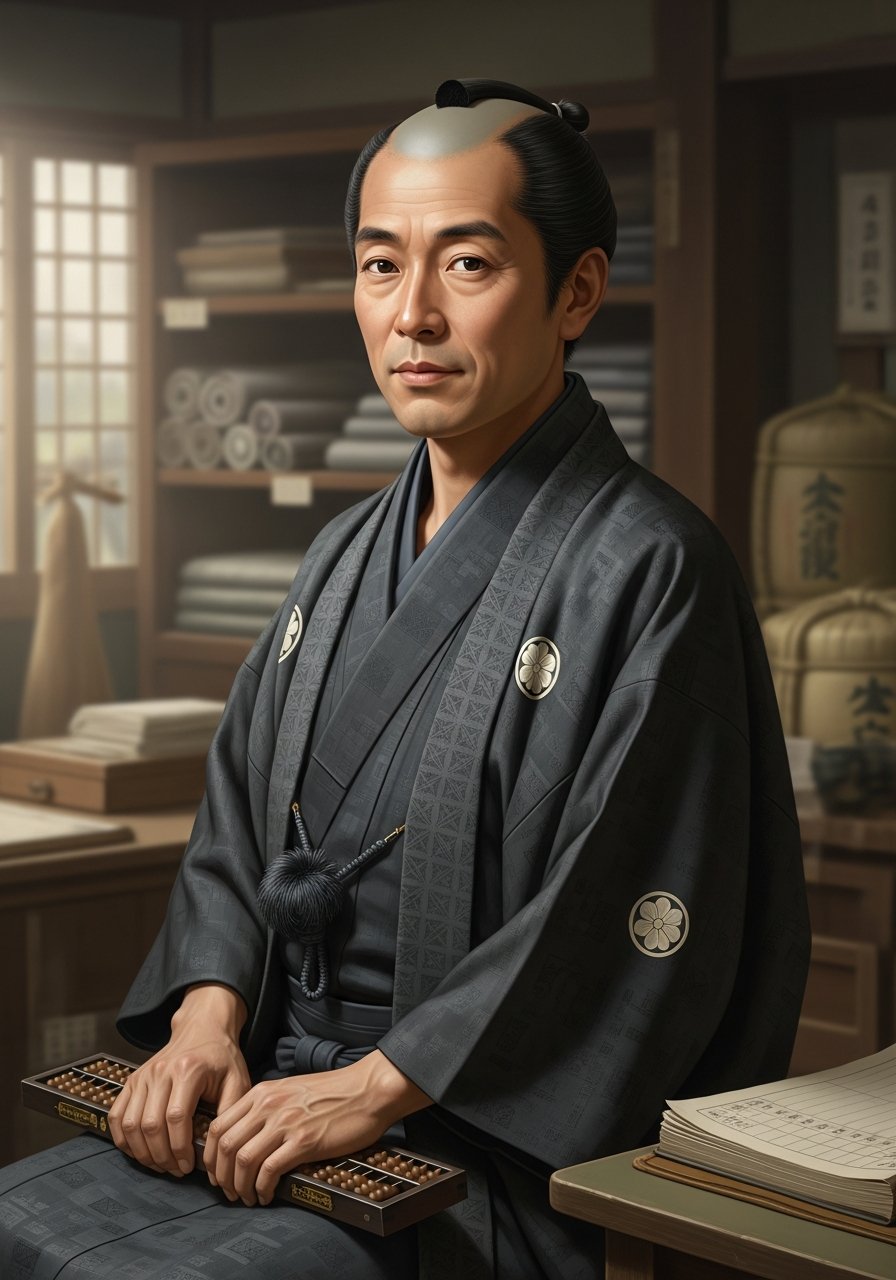
Hiroshi
Merchant Prince
"The order says I am the lowest of the four classes, below the farmer, below the artisan, below the samurai who borrows money from me to maintain his dignity. I am the richest man in Nihonbashi. I finance daimyō processions to Edo. The order is a story the shogunate tells itself. The rice is the truth. And the rice moves through my warehouses."
This is not three attempts at the same correct answer. It's three genuinely different answers, because they're three genuinely different people, a samurai who is starting to doubt, a geisha who sees through the hierarchy from below, and a merchant who knows the hierarchy is a fiction his money already disproves. (See I Asked a Poet, a King, and a Queen What Survives After Death for the Greek version of this.)
The reason this matters: a single AI historian gives you one answer, and that answer is almost always shaped toward the perspective most likely to appear in the written record. Samurai wrote things down. Geishas and merchant princes generally did not. A single narrator doesn't just summarize the past, it inherits the silences of the past. Multiple perspectives let you hear around the silence.
Characters come in sets, and they know each other
Here's something that surprised us during the build: the magic isn't just having multiple characters. It's having characters who know each other.
Every era in Airtrek is built around a small set of characters who share a world, and who have explicit relationships with each other. In Edo Japan, Kenji the samurai retainer knows Hiroshi the merchant prince: they have a history. Hiroshi knows Yuki the geisha: he is one of her regular patrons. Yuki knows Kenji: he comes to her teahouse and asks questions he can't ask anyone else. Each character's backstory includes the others. Each one has a defined relationship to the others , patron, rival, confidant, authority figure, dependent.
This means you can ask any of them about any of the others. Ask Kenji what he thinks of Hiroshi and you get one answer, the samurai's view of a merchant who has more money than his official superiors. Ask Hiroshi the same question and you get a completely different answer , the merchant's view of a samurai who borrows from him to keep up appearances. Ask Yuki and you get a third, the geisha who watches both men from a position neither class nor money can reach.
The differences aren't just opinions. They're social realities. Kenji and Hiroshi are not describing the same man differently, they are describing different relationships, because they occupy different positions in the same social structure. When you hear all three, you don't just learn about Hiroshi. You learn about the structure that makes Hiroshi look like three different people depending on who's looking.
And then something else happens, something we didn't fully anticipate. When you hear three people describe each other, you start to notice your own position. You realize you have a perspective too, shaped by your own time and place, and that it's not the neutral vantage point you assumed it was. The characters don't just show you their world. They show you the lens you're looking through.
This is what the Triad Engine is built for. Behind each character's response, three agents work in parallel: one grounds the answer in the character's era and role, one reasons about the patterns and tensions underneath, and one reflects the user's own biases back, the questions you're asking, the assumptions you're bringing, the angles you're not seeing. The three agents compose a single response that carries the character's voice, the structural tension, and a quiet mirror for the person asking. You don't see the machinery. You just notice that the conversation keeps getting deeper in a way that a chatbot's answers don't.
What makes the cross-character awareness work is Stella, Airtrek's memory layer. When you talk to Kenji, Stella records the conversation. When you later talk to Hiroshi, Stella pulls your relationship with Kenji into context, how many times you've spoken, what topics you covered, how familiar you are. Hiroshi doesn't know the literal text of your conversation with Kenji, but he knows you've been talking to a samurai, and that shapes how he receives you. You arrive in each conversation already known to the world, not as a blank stranger, but as someone who has been asking questions around the city.
That's the difference between a set of chatbots and a world of people. Chatbots don't know each other. They don't know you've talked to anyone else. They reset every time you open them. Airtrek's characters know their world, know each other, and, through Stella, know that you've been moving through their world. The conversations connect. The perspectives compound. And the picture you build isn't one answer repeated three times. It's a social structure seen from inside, from multiple positions, including your own.
Memory makes it feel inhabited
The fifth piece: characters remember you. If you come back and talk to the same character, they recall what you discussed. If you meet a character who knows one you've spoken with, they may reference things you said.
This is what makes the world feel inhabited rather than reset every time you open it. It's also a privacy responsibility, memory is stored server-side, tied to your account, and you can read and delete it.
The bet
The bet behind Airtrek is that the best way to understand the past is not to read one summary of it, but to enter a conversation among the people who lived it, with all their disagreements, blind spots, and limits of knowledge.
We're not building a chatbot. We're building a way to enter the conversation.
Kelly T. Hohman is the founder of Airtrek AI, the world's first AI-powered virtual time machine.